
Jumpstart Art: Why mobile creativity matters for kids (and adults!)
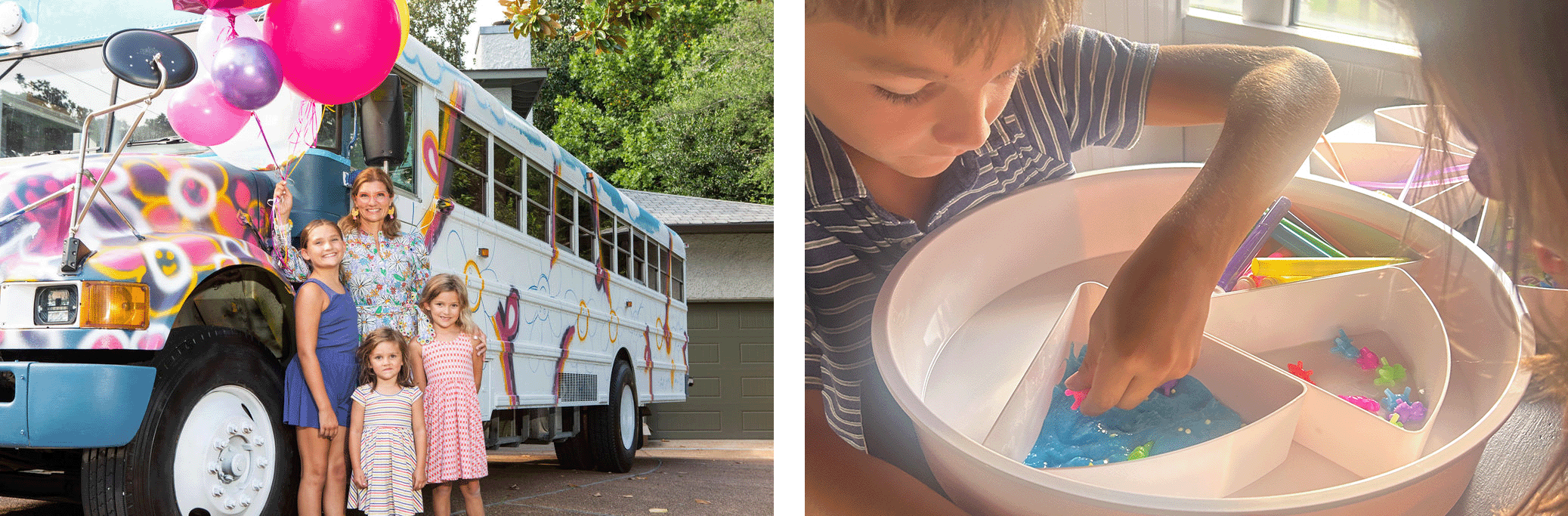
When I dreamed up Jumpstart Art, I knew I wanted it to be more than an art bus. I wanted it to be a moving invitation – to play, to connect, to create freely. What I didn’t realize was how much research would later confirm what I’ve always believed instinctively: art heals, strengthens, and awakens us, no matter our age.
As both an artist and educator, I’ve seen it firsthand. The moment a child picks up a brush, a crayon, or a handful of clay, something shifts. Their breathing slows. Their posture relaxes. They enter a zone of curiosity, a place where stress melts away and imagination takes the wheel.Don’t worry about sounding professional. Sound like you. There are over 1.5 billion websites out there, but your story is what’s going to separate this one from the rest. If you read the words back and don’t hear your own voice in your head, that’s a good sign you still have more work to do.
Art builds healthier, happier humans
Research shows that making art for as little as 45 minutes reduces cortisol, the body’s primary stress hormone – calming the nervous system, lowering stress and improving focus. The American Art Therapy Association notes that creative expression enhances cognitive skills, improves self-awareness, and helps regulate emotions.
It’s not just kids who benefit. Studies have shown that adults who engage in creative activities, from drawing to doodling, activate the prefrontal cortex, the part of the brain that helps us focus and make meaning out of our experiences. Simply put, art makes us more mindful.
Moving beyond the moment, children who regularly participate in the arts are less likely to experience social issues or depression as teenagers. They tend to form healthier relationships with peers, make better decisions, and build stronger emotional resilience.
In a time where anxiety and other mental health concerns are rising for our youth, creativity might just be one of our most powerful tools for prevention.
The art bus: bringing creativity where it’s needed most
That’s where Freddie the Bus comes in. Freddie is a studio on wheels, a rolling classroom, a healing space, and sometimes, a spark of joy pulling up to a school parking lot.
Not every family has access to after-school art programs or transportation to museums and classes. By making creativity mobile, Jumpstart Art bridges that gap. It’s art accessibility in motion, designed to meet kids where they are – literally. Each workshop, whether a birthday party or a nonprofit program, is built around connection, curiosity, and joy.
The activities we offer children are doing more than building art skills. Through this program, kids are learning patience, focus, teamwork, and problem-solving. They’re building what neuroscientists call cognitive reserve, or the brain’s resilience against stress and aging.
It’s not about the product – it’s about the process
In art education, there’s a phrase I love: all art is good art. What matters most isn’t how it looks, it’s how it feels to make it. The act of creating, of getting hands messy and minds moving, invites a meditative rhythm that encourages mindfulness and balance.
For adults, that might mean reawakening long-dormant creativity. For kids, it’s giving permission to express freely, to make mistakes, and to see beauty in experimentation.
Creativity as a radical act of connection
When I think about why mobile creativity matters, it comes down to this: art is how we connect to ourselves and to one another. In a world that constantly tells us to move faster, art tells us to slow down and notice.
Through Jumpstart Art, I’ve seen laughter replace anxiety, silence give way to storytelling, and tired eyes light up with discovery. Whether in a school gym, a park, or a church parking lot, the result is the same: kids and grownups alike leave a little lighter, a little happier, and a little more alive.
Because when we create, we make meaning. And that, truly, is the most beautiful thing Freddie the Bus could ever carry.
